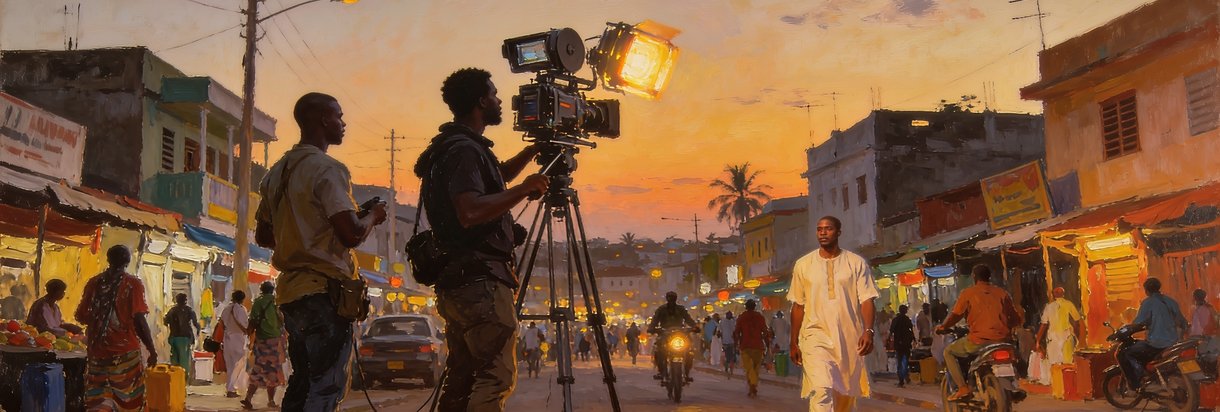
Nollywood is one of the world's most prolific film industries by output, a status recognised by bodies including UNESCO. Its reach has widened dramatically as streaming platforms commission and distribute Nigerian stories to audiences far beyond the country's borders.
From market stalls to streaming
Where Nollywood was once consumed on discs sold in markets and on local television, it now travels via global streaming services and social-media clips. That shift has raised production values, lengthened runtimes and pulled international investment into Lagos's fast-growing studios. The industry looks and sounds more polished than a decade ago.
A cultural mainstay
For millions of homes, Nollywood is comfort viewing and cultural mirror in one, telling Nigerian stories in Nigerian voices and settings. Its stars are household names and its storylines the stuff of everyday conversation. Coverage by The Guardian tracks both the creative boom and the scramble to monetise it.
Why viewing habits matter
How often Nigerians actually watch — and on which screen — says a great deal about the industry's home base, even as its ambitions turn increasingly global. The living-room audience still sets the tone the world later follows.
A global ambition, a local base
Even as Nollywood courts international streamers and festivals, its home audience remains its foundation. How often Nigerians tune in shapes what gets made, and whether the industry's global push rests on solid ground.
Have your say
How often do you watch Nollywood films? Cast your vote below. It takes only a moment, your response is anonymous, and the live results show how your view compares with other Nigerians across the country.