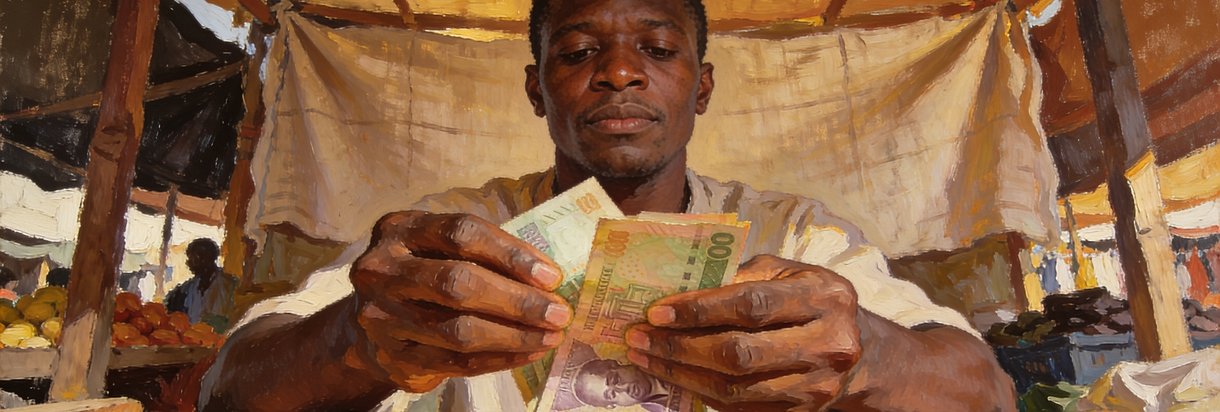
Few things are watched as closely in Nigeria as the value of the naira. It is a national mood-ring for the economy — and since the 2023 unification of exchange-rate windows, it has been a volatile one. Its swings set the tone for prices, politics and public confidence alike.
From peg to float
The Central Bank of Nigeria moved to let the naira trade more freely in 2023, ending years of costly currency management that had spawned a thriving parallel market. The IMF has linked the greater exchange-rate stability since then to the recent easing in inflation. The shift, though painful, was long overdue, its backers argue.
Why confidence counts
A weaker naira raises the cost of imported goods and feeds inflation expectations; a steadier one helps anchor them. Confidence in the currency is therefore both a barometer and, through those expectations, part of the mechanism itself. Sentiment can steady the rate, or destabilise it.
The everyday rate
For traders pricing imported goods and families receiving money from abroad, the rate is not an abstraction but a daily input into every decision. Confidence rises and falls with the spread between official and street rates, and with each headline about reserves and policy.
A fragile calm
Officials point to relative stability; sceptics remember how quickly that can turn. Tracking confidence week to week captures which way sentiment is leaning, and is often the earliest sign of pressure building or easing.
Have your say
How confident are you in the value of the naira at the moment? Add your view below. It takes only a moment, your response is anonymous, and the live results show how your view compares with other Nigerians across the country.