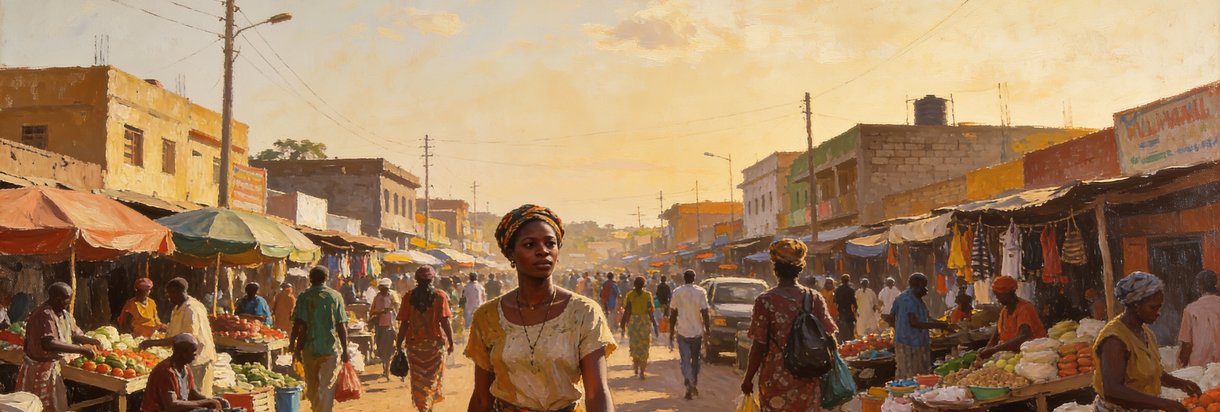
After the most sweeping economic reforms in a generation, Nigeria's government is being judged on a simple test: are things getting better for ordinary people? The IMF says inflation is becoming less entrenched — but at nearly 16%, the pressure on households is still very real. The verdict will be delivered in markets, not models.
Reform and aftershocks
Removing the fuel subsidy and unifying the naira's exchange rate in 2023 were meant to fix distortions that had drained public finances for years. They also sent prices soaring, and the National Bureau of Statistics has charted the squeeze on households ever since. Supporters call it necessary surgery; critics, a shock delivered without enough cushioning.
Growth versus prosperity
Analysts point to a gap between macro-level growth and everyday prosperity: businesses wrestle with expensive energy and high borrowing costs, while wages trail prices. An economy can expand on paper even as living standards feel stuck or slipping. It is the second experience that shapes the public verdict.
The public verdict
How people rate the government's handling of the economy is the political heart of that gap — a running measure of whether the reforms are seen as paying off or simply as pain. Coverage by The Guardian suggests patience is real but finite.
The months ahead
With interest rates high and the naira steadier, officials hope relief will broaden from the data into daily life. The public's judgement will follow what happens in the market and the payslip, not the forecast — which is why this reading is worth watching.
Have your say
How well or badly do you think the government is handling the economy? Cast your vote below.