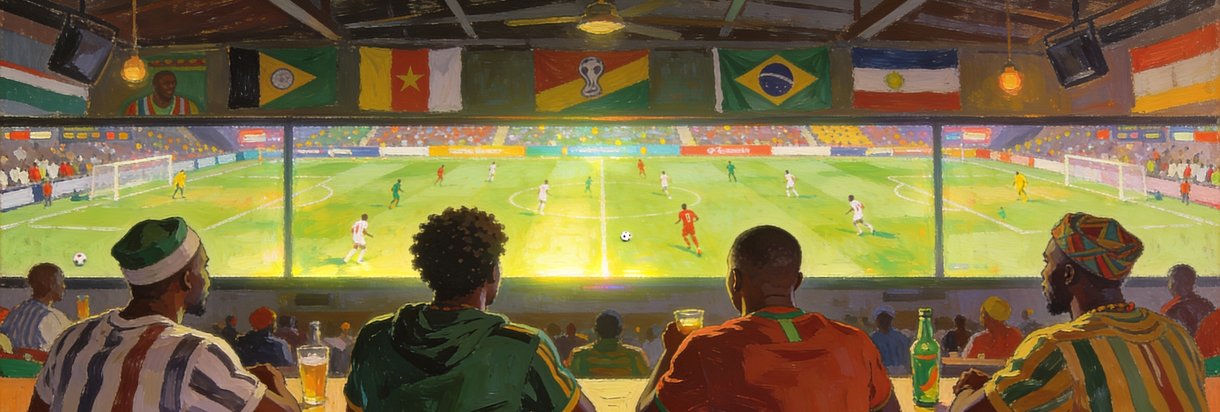
On any given weekend, millions of Nigerians gather in viewing centres and living rooms to watch the English Premier League and other European competitions. Foreign football is woven into the nation's social life, its conversation, its fashion and even its betting culture. For many, it is the default weekend soundtrack.
A global game, locally lived
Replica shirts, fierce club loyalties and marathon match-day sessions are part of the fabric of Nigerian youth culture. For many fans, a club in Manchester or Madrid is followed as closely as any local side — sometimes more, with every transfer rumour dissected in group chats and at roadside kiosks.
What it means for the home game
That intense following shapes everything from merchandise sales to the economics of neighbourhood viewing centres, where a few naira buys a seat for the big match. It also poses a stiff challenge for the domestic league, which competes for the same eyes and hours — a tension The Guardian has long chronicled.
Mapping the attention
Measuring how closely Nigerians track foreign leagues helps map where the nation's football attention truly sits. It also hints at how much room, if any, is left for the game at home to grow into.
A shifting balance
As streaming and data access spread, the balance between foreign and local football could yet shift. For now, European weekends remain a fixture of Nigerian life, and a benchmark the home game is measured against.
Have your say
How closely do you follow foreign football leagues such as the Premier League? Add your view below.