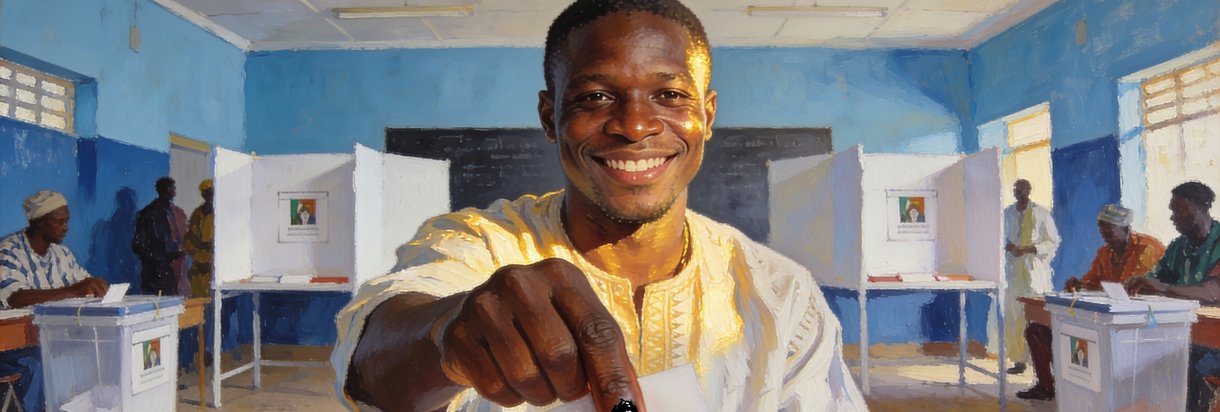
As the 2027 general election moves into view, one question sits beneath all the campaign noise: do Nigerians trust the body that runs the vote? Confidence in the Independent National Electoral Commission shapes whether results are accepted, and whether people turn out at all. It is, in effect, part of the country's democratic plumbing.
A fragile inheritance
The 2023 elections left a mixed legacy, with disputes over the transmission of results and long delays in some areas. Rebuilding trust is now central to INEC's task, from the technology it deploys to the transparency of its processes. Every misstep is remembered; every improvement must be demonstrated, not merely announced.
What surveys suggest
Independent polling reported by outlets such as Premium Times has repeatedly found public confidence in key institutions running below the levels a healthy democracy would want. That is a caution flag both for turnout and for the peaceful acceptance of outcomes.
Why it matters
Trust in the umpire underpins the whole contest. Where it is low, losing candidates are quicker to allege foul play and citizens slower to accept results, raising the risk of disputes and unrest. Tracking it is a way of watching democratic confidence build, or fray, in real time.
Technology and transparency
Much will hinge on the systems used to accredit voters and transmit results, and on how openly INEC explains them. Confidence tends to rise when the process is visible and predictable, and to fall sharply when it is not.
Have your say
How much do you trust INEC to conduct free and fair elections? Add your view below.